
Rex: I Could Run 5K, So Naturally I Signed Up for 10K
The 5K finish line had barely stopped looking attractive when I made a decision that seemed sensible for approximately eleven minutes.
I signed up for a 10K.
At the time, I had completed one 5K using a carefully managed combination of jogging, walking, and staring at my watch as if it contained the meaning of life. My knees survived. My lungs survived. I even received a small medal, which I placed somewhere near the kitchen keys and have not seen since.
Then I saw the 10K event.
“Double the distance,” I thought. “How hard can it be?”
That sentence has ruined many perfectly peaceful weekends.
My first attempt at a longer run started near the same park bench where I had celebrated surviving 5K. By kilometer four, my breathing was acceptable. By kilometer six, my calves had become suspiciously quiet. By kilometer seven, my legs were operating under a reduced-hours policy.
I finished the run, but the next morning I walked downstairs like a man transporting a bowl of invisible soup.
The problem was not that 10K was impossible. I treated a longer distance like a larger version of the same workout instead of a new mechanical and physiological demand.
Fly: Doubling the Distance Requires More Than Doubling Determination

A beginner 10K training plan must develop endurance while keeping the increase in mechanical stress manageable.
The cardiovascular system can sometimes tolerate longer efforts before the connective tissues are ready. Bones, tendons, fascia, plantar structures, and joint-supporting muscles need repeated exposure to load before they can safely handle more duration.
Perry and Burnfield’s gait analysis work helps explain why distance matters. Each running stride involves a stance phase, a flight phase, and a single leg managing ground reaction forces. A longer run means more repetitions of that loading cycle, even when the pace feels easy.
Owen Anderson makes the performance side clear in Running Science: endurance is built through consistent aerobic work, improving running economy, and gradually extending the time your body can maintain an efficient stride. The goal is not to run every session harder. It is to make longer running feel increasingly ordinary.
Studies published in Gait & Posture also show why cadence, stride length, and loading rate matter as fatigue develops. When tired runners overstride or lose pelvic control, the same distance can create more stress than it did earlier in the session.
Who Is This 10K Training Plan For?
This plan is designed for runners who:
- Can already complete a 5K through continuous running or run/walk intervals.
- Have trained consistently for several weeks.
- Can run three days per week without worsening pain.
- Want to complete a 10K rather than chase an immediate personal record.
- Prefer a controlled, beginner-friendly progression.
- Are willing to use walk breaks on long runs.
You do not need to be fast before starting a 10K plan. You do need a reasonable base.
If you currently have sharp pain, pain at rest, swelling, persistent limping, unexplained shortness of breath, or a medical condition affecting exercise safety, seek appropriate medical guidance before beginning.
The Weekly Training Pattern
The exact days can move around your schedule. Keep the order and recovery pattern as consistent as possible.
How Easy Should Easy Running Feel?
Rex: The Long Run Is Where My Confidence Goes to Be Audited
The short runs were manageable. I could leave the house, complete a few kilometers, and return before my body organized a rebellion.
The long run was different.
It looked innocent on the schedule: “Easy long run.” A phrase written by someone who had never met my left calf after kilometer eight.
Fly: Use the Talk Test
Your long run should be easy enough that you can speak in full sentences. If you can only produce short phrases, reduce the pace or add a walk break.
- Full sentences: Appropriate easy effort.
- Short phrases: Moderate effort; use sparingly.
- No speech: Too hard for most long runs.
Easy running builds the aerobic base without creating unnecessary fatigue. It also gives you more control over stride length, cadence, posture, and foot placement.
When effort rises too early, form often becomes less stable. Cadence may slow, the foot may land farther ahead of the body, and the lower limbs may absorb more braking load.
Safety Checklist Before You Begin
Do not start by asking whether you can survive 10K. Start by checking whether your current body can tolerate regular training.
You should be able to:
- Complete a 5K without sharp pain.
- Recover from your longest run within 24–48 hours.
- Walk normally after training.
- Complete three weekly sessions for at least several weeks.
- Perform basic calf raises and single-leg balance without major pain.
- Use your current running shoes comfortably.
- Maintain a conversational pace during easy sessions.
If symptoms appear, use the traffic-light approach:
- Green: General fatigue that improves with recovery.
- Yellow: Mild but recurring soreness; reduce load or repeat the week.
- Red: Sharp, localized, worsening pain, swelling, or altered gait; stop and seek evaluation.
The 12-Week 10K Training Plan
Stage 1: Base and Distance Build
Week 1: Establish the 10K Rhythm
Session 1: Easy Run
- Warm-up: 5 minutes of brisk walking.
- Run: 20–25 minutes easy.
- Cool-down: 5 minutes walking.
Session 2: Easy Run With Short Strides
- Warm-up: 5 minutes walking.
- Run: 20 minutes easy.
- Add 4 × 15-second relaxed strides.
- Walk or jog easily for 60–90 seconds between strides.
- Cool-down: 5 minutes.
Session 3: Long Run
- Warm-up: 5 minutes walking.
- Run or run/walk: 5.5–6 kilometers easy.
- Cool-down: 5 minutes walking.
Focus: Finish with energy remaining.
Rex: The schedule said 6K. My brain translated it as “6K plus prove something.” My calves rejected the proposal.
Fly: The long run creates the first important endurance stimulus. Keeping it easy lets the body accumulate time without exceeding tissue tolerance.
Week 2: Add Time, Not Drama
Session 1: Easy Run
- Warm-up: 5 minutes.
- Run: 25 minutes easy.
- Cool-down: 5 minutes.
Session 2: Easy Technique Session
- Warm-up: 5 minutes.
- Run: 20–25 minutes easy.
- Add 4 × 15–20-second relaxed strides.
- Recover fully between strides.
- Cool-down: 5 minutes.
Session 3: Long Run
- Warm-up: 5 minutes.
- Run or run/walk: 6–6.5 kilometers easy.
- Cool-down: 5 minutes.
Focus: Keep the increase small. Do not add speed to compensate for a slower long-run pace.
Week 3: Build Longer Aerobic Blocks
Session 1: Easy Recovery Run
- Warm-up: 5 minutes.
- Run: 25–30 minutes easy.
- Cool-down: 5 minutes.
Session 2: Controlled Steady Session
- Warm-up: 10 minutes easy.
- Run: 3 × 5 minutes at controlled effort.
- Recovery: 3 minutes easy jogging or walking between blocks.
- Cool-down: 5–10 minutes.
Session 3: Long Run
- Warm-up: 5 minutes.
- Run or run/walk: 6.5–7 kilometers easy.
- Cool-down: 5 minutes.
Focus: The steady blocks should feel controlled, not like a race.
Rex: Three five-minute blocks sounded polite. By the third one, they had become personally disrespectful.
Fly: This session introduces a little sustained work without turning the week into a speed program. The long run remains easy.
Week 4: Consolidate Before Adding More
Session 1: Easy Run
- Warm-up: 5 minutes.
- Run: 25–30 minutes easy.
- Cool-down: 5 minutes.
Session 2: Easy Run With Strides
- Warm-up: 5 minutes.
- Run: 20–25 minutes easy.
- Add 4–6 × 15-second relaxed strides.
- Recover fully.
- Cool-down: 5 minutes.
Session 3: Long Run
- Warm-up: 5 minutes.
- Run or run/walk: 7–7.5 kilometers easy.
- Cool-down: 5 minutes.
Focus: Consolidate.
If the previous weeks felt difficult, repeat Week 3 instead of extending the long run. A consolidation week may feel mentally unimpressive, but it gives tissues more time to adapt.
Week 5: Move Beyond 7K
Session 1: Easy Recovery Run
- Warm-up: 5 minutes.
- Run: 30 minutes easy.
- Cool-down: 5 minutes.
Session 2: Controlled Steady Running
- Warm-up: 10 minutes easy.
- Run: 2 × 8 minutes at controlled effort.
- Recovery: 4 minutes easy between blocks.
- Cool-down: 10 minutes.
Session 3: Long Run
- Warm-up: 5 minutes.
- Run or run/walk: 7.5–8 kilometers easy.
- Cool-down: 5 minutes.
Focus: Keep the long run slower than your imagined race pace.
Rex: Kilometer eight is where my legs begin asking whether this entire 10K idea can be returned for store credit.
Fly: Keep the effort low enough that your stride remains controlled and next-day recovery stays normal.
Week 6: Practice Race-Useful Endurance
Session 1: Easy Run
- Warm-up: 5 minutes.
- Run: 30–35 minutes easy.
- Cool-down: 5 minutes.
Session 2: Controlled Intervals
- Warm-up: 10 minutes easy.
- Run: 4 × 4 minutes at controlled 10K effort.
- Recovery: 3 minutes easy between blocks.
- Cool-down: 10 minutes.
Session 3: Long Run
- Warm-up: 5 minutes.
- Run or run/walk: 8–8.5 kilometers easy.
- Cool-down: 5 minutes.
Focus: Practice staying patient when the long run becomes uncomfortable.
At this stage, fatigue may reveal changes in cadence, posture, or foot placement. If your shoulders tighten, your stride reaches forward, or one side begins compensating, slow down or add a walk break.
When Should You Repeat a Week?
Repeat the current week if:
- The long run leaves you unusually sore for several days.
- Pain becomes sharper or more localized.
- You feel worse the following morning.
- Your gait changes to protect one leg.
- Easy runs stop feeling easy.
- You cannot complete the steady session without sprinting or breaking form.
- Sleep, heat, work stress, or illness has reduced recovery.
A repeat week is not wasted time. Your tissues respond to load, recovery, and time, not the number printed on the calendar.
Stage 2: Peak Endurance, Consolidation, and Taper
Week 7: Build Confidence Beyond 8K
Session 1: Easy Recovery Run
- Warm-up: 5 minutes walking.
- Run: 30–35 minutes easy.
- Cool-down: 5 minutes walking.
Session 2: Controlled 10K-Effort Blocks
- Warm-up: 10 minutes easy.
- Run: 3 × 6 minutes at controlled 10K effort.
- Recovery: 3 minutes easy jogging or walking.
- Cool-down: 10 minutes easy.
Session 3: Long Run
- Warm-up: 5 minutes walking.
- Run or run/walk: 8.5–9 kilometers easy.
- Cool-down: 5 minutes walking.
Focus: Stay patient as the distance becomes unfamiliar.
Rex: Kilometer nine was where my legs began asking whether “10K” was a typo. I requested written evidence.
Fly: Keep the long run controlled. If you are using run/walk intervals, plan them before fatigue forces an emergency walk.
Week 8: Complete a 9K Long Run
Session 1: Easy Run
- Warm-up: 5 minutes.
- Run: 35 minutes easy.
- Cool-down: 5 minutes.
Session 2: Light Quality Session
- Warm-up: 10 minutes easy.
- Run: 6 × 2 minutes at controlled 5K-to-10K effort.
- Recovery: 2 minutes easy between repetitions.
- Cool-down: 10 minutes.
Session 3: Long Run
- Warm-up: 5 minutes.
- Run or run/walk: 9 kilometers easy.
- Cool-down: 5 minutes.
Focus: Finish as if one more kilometer would be possible with patience.
You do not have to run 10K in training before your event. A controlled 9K long run can provide useful preparation without creating unnecessary fatigue.
Week 9: Peak Endurance
Session 1: Easy Recovery Run
- Warm-up: 5 minutes.
- Run: 30 minutes easy.
- Cool-down: 5 minutes.
Session 2: Controlled Steady Session
- Warm-up: 10 minutes.
- Run: 2 × 10 minutes at controlled 10K effort.
- Recovery: 4 minutes easy between blocks.
- Cool-down: 10 minutes.
Session 3: Long Run
- Warm-up: 5 minutes.
- Run or run/walk: 9.5–10 kilometers easy.
- Cool-down: 5 minutes.
Focus: This is the peak distance week. Do not turn it into a race.
Rex: I reached 10K in training and immediately decided I could run 10K faster than my current 5K pace. My watch did not support this theory.
Fly: The peak long run proves that your body can tolerate the distance. It does not need to be your fastest session.
Week 10: Consolidate and Absorb the Training
Session 1: Easy Run
- Warm-up: 5 minutes.
- Run: 30 minutes easy.
- Cool-down: 5 minutes.
Session 2: Short Controlled Session
- Warm-up: 10 minutes easy.
- Run: 4 × 3 minutes at controlled 10K effort.
- Recovery: 3 minutes easy.
- Cool-down: 10 minutes.
Session 3: Reduced Long Run
- Warm-up: 5 minutes.
- Run: 7–8 kilometers easy.
- Cool-down: 5 minutes.
Focus: Let the body absorb the peak training instead of adding more distance.
A shorter long run may feel like regression. It is actually a chance for muscles, tendons, bones, and the nervous system to recover while maintaining the endurance you built.
Week 11: Begin the Taper
Session 1: Easy Run
- Warm-up: 5 minutes.
- Run: 25–30 minutes easy.
- Cool-down: 5 minutes.
Session 2: Light Quality Session
- Warm-up: 10 minutes easy.
- Run: 3 × 4 minutes at controlled 10K effort.
- Recovery: 3 minutes easy.
- Cool-down: 10 minutes.
Session 3: Long Run
- Warm-up: 5 minutes.
- Run or run/walk: 6–7 kilometers easy.
- Cool-down: 5 minutes.
Focus: Reduce fatigue while keeping the stride familiar.
Do not add extra distance because you suddenly feel fresh. That freshness is the point of the taper.
Week 12: Race Week
Session 1: Easy Run
- Warm-up: 5 minutes.
- Run: 20–25 minutes easy.
- Cool-down: 5 minutes.
Session 2: Strides
- Warm-up: 10 minutes easy.
- Run: 4 × 15–20-second relaxed strides.
- Recover fully between strides.
- Cool-down: 5–10 minutes.
Session 3: 10K Race or Long-Run Effort
- Warm-up: 10–15 minutes of walking and gentle jogging.
- Complete the 10K using your pacing strategy.
- Use walk breaks if needed.
- Cool down with 5–10 minutes of walking.
Focus: Arrive rested, not desperate to prove something.
Strength and Mobility Protocol
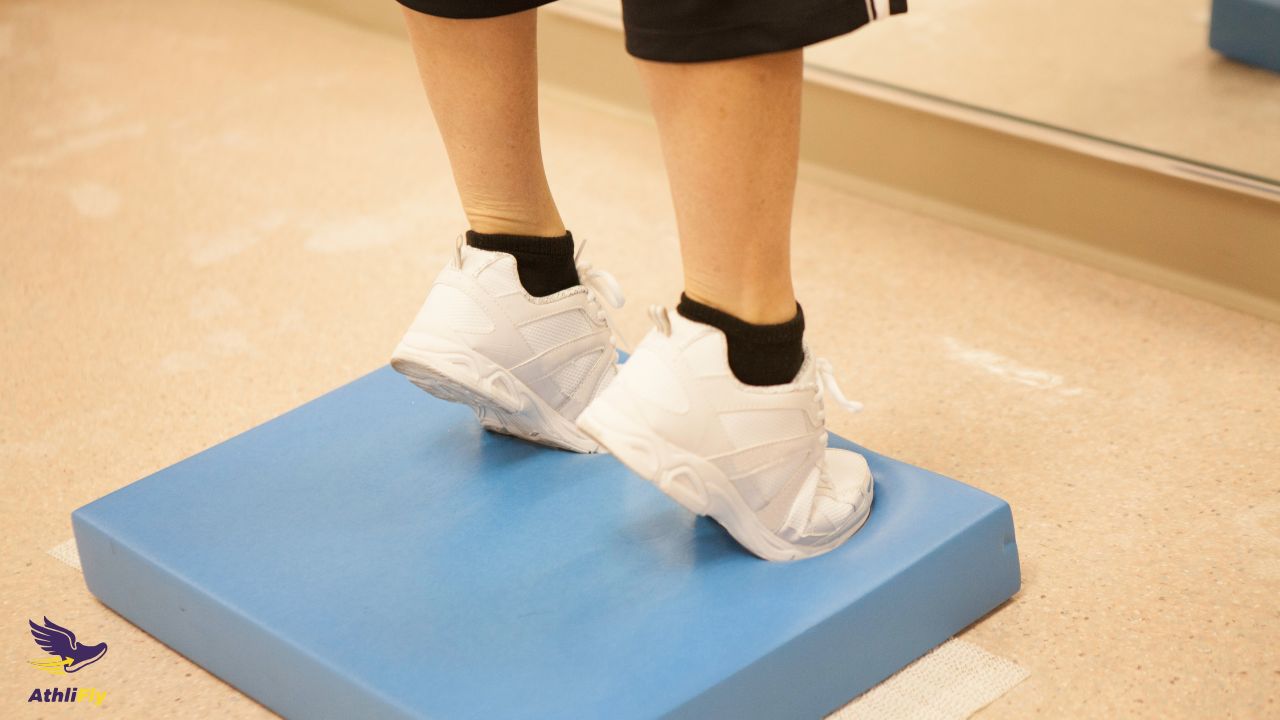
Perform two short strength sessions per week. Keep demanding strength work away from the hardest running session when possible.
Strength work should support running. If it leaves you unable to complete the next easy session, reduce the volume.
How to Pace Your First 10K
Rex: My First-Kilometer Plan Was “Look Impressive.” My Final-Kilometer Plan Was “Remain Upright.”
The start of a 10K is dangerous because your body feels fresh and the distance still looks abstract.
Someone passes you. Your watch displays an exciting pace. Suddenly you are running as if the course ends at the next traffic light.
Fly: The First Two Kilometers Should Feel Deliberately Controlled
Use this pacing sequence:
- Kilometers 1–2: Start slower than your excitement suggests.
- Kilometers 3–5: Settle into sustainable effort.
- Kilometers 6–7: Check breathing, posture, cadence, and foot comfort.
- Kilometers 8–9: Increase effort only if your form remains stable.
- Final kilometer: Use remaining energy gradually.
- Final 400–500 meters: Finish strongly if you still have control.
Run/Walk Strategies for 10K
Planned Breaks
- Run 9 minutes.
- Walk 1 minute.
- Repeat throughout the race.
Effort-Based Breaks
- Run while breathing remains controlled.
- Walk before fatigue becomes overwhelming.
- Resume easy running when you can speak in short phrases.
Aid-Station Breaks
- Walk briefly through selected water stations.
- Drink calmly.
- Resume running without sprinting away.
Hill Strategy
- Shorten your stride uphill.
- Reduce effort rather than fighting for pace.
- Walk steep climbs if needed.
- Resume easy running once the grade eases.
A planned walk break can be the reason the plan succeeds. It protects effort, reduces accumulated fatigue, and may help you maintain better mechanics for the full distance.
Fueling and Hydration for a Beginner 10K
The Night Before
Eat a familiar meal containing:
- Carbohydrate.
- Moderate protein.
- Normal portions.
- Foods your stomach already tolerates.
Good options include rice with chicken, pasta with a simple sauce, potatoes with eggs, or a familiar sandwich and fruit.
Race Morning
Eat a familiar breakfast two to four hours before the start, or use a small snack 30–60 minutes beforehand if that is what you have practiced.
Options include:
- Toast with a small amount of peanut butter.
- Banana.
- Oatmeal.
- Yogurt with oats.
- A small cereal portion.
During the Race
Some beginners can complete a 10K with water only. Others may benefit from a small carbohydrate source, especially if the race lasts more than an hour or conditions are hot.
If you use a gel or sports drink:
- Test it during training.
- Do not try it for the first time on race day.
- Follow product instructions about water.
- Avoid combining several unfamiliar products.
Common Beginner 10K Mistakes
Frequently Asked Questions
Do I Need to Run 10K Before Race Day?
Not always. A controlled 9–9.5K long run may be enough for a first 10K, especially if you use run/walk intervals. Completing the full distance can build confidence, but it is not mandatory.
How Long Does It Take to Train for a 10K?
Many beginners need roughly 10–16 weeks after establishing a stable 5K base. The correct timeline depends on consistency, recovery, training history, and previous injuries.
Can I Train for a 10K With Three Runs Per Week?
Yes. Three weekly runs can work well when one is a long easy run, one is easy or recovery-focused, and one includes a modest amount of controlled quality.
Should I Run Every Day to Build Endurance?
Usually not. More running days mean more impact exposure and less recovery time. Walking, cycling, swimming, and strength work can support your aerobic base without adding the same repetitive ground-contact load.
What If I Cannot Finish the Long Run?
Use run/walk intervals, slow down, or repeat the week. A long run is successful when it builds endurance without creating a problem that ruins the following week.
Can I Improve My 10K Time Without Speed Work?
You can improve through consistency, pacing, longer easy runs, strength training, and better running economy. Speed work can help later, but it is not the first solution for a beginner who has not built a stable base.
What Should I Do If My Shin, Knee, or Achilles Hurts?
Reduce or stop the provoking activity if pain is sharp, localized, worsening, present at rest, or changing your gait. Seek appropriate professional guidance if symptoms persist. Do not use pain medication to hide symptoms and continue increasing training.
Rex & Fly: Final Word

Rex: So the path from 5K to 10K is not “double the distance and hope the legs discover a hidden reserve.”
Fly: It is a gradual extension of time on your feet, supported by easy pacing, strength, recovery, and patience. The long run builds endurance, the shorter sessions keep the system coordinated, and rest gives tissues the chance to become stronger.
Rex: My legs would like to formally approve the rest days.
Fly: Approved.
The first goal is to finish 10K with control. A faster time can come later, once your body has learned that the distance is manageable.
💬 Over to You: How Far Have You Reached?
Rex: Have you completed 5K and immediately thought, “That was lovely. Let us now double it”? What happens first when your long run gets difficult — your breathing, calves, knees, motivation, or the sudden desire to become a cyclist?
Fly: If you are unsure which week suits your current base, describe your recent longest run, weekly frequency, and next-day recovery.
What to Do Next
- Start with the first week that feels comfortably achievable rather than choosing a week based on ambition.
- Schedule three running days and protect at least one recovery day between impact sessions.
- Record long-run distance, effort, pain response, and next-morning recovery before progressing.